Current Projects
Cerebellar influence on dynamics in the neocortex and basal ganglia
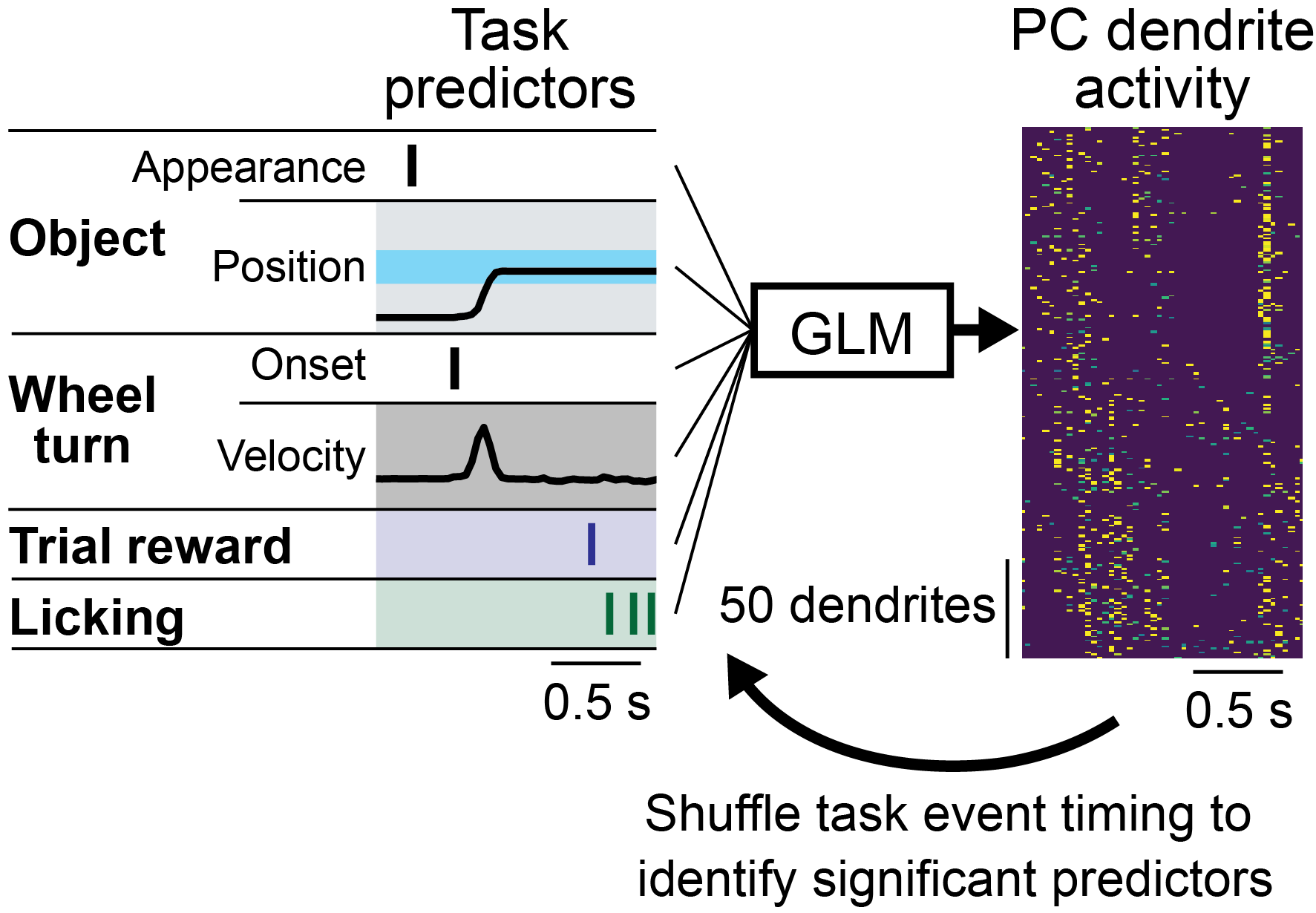
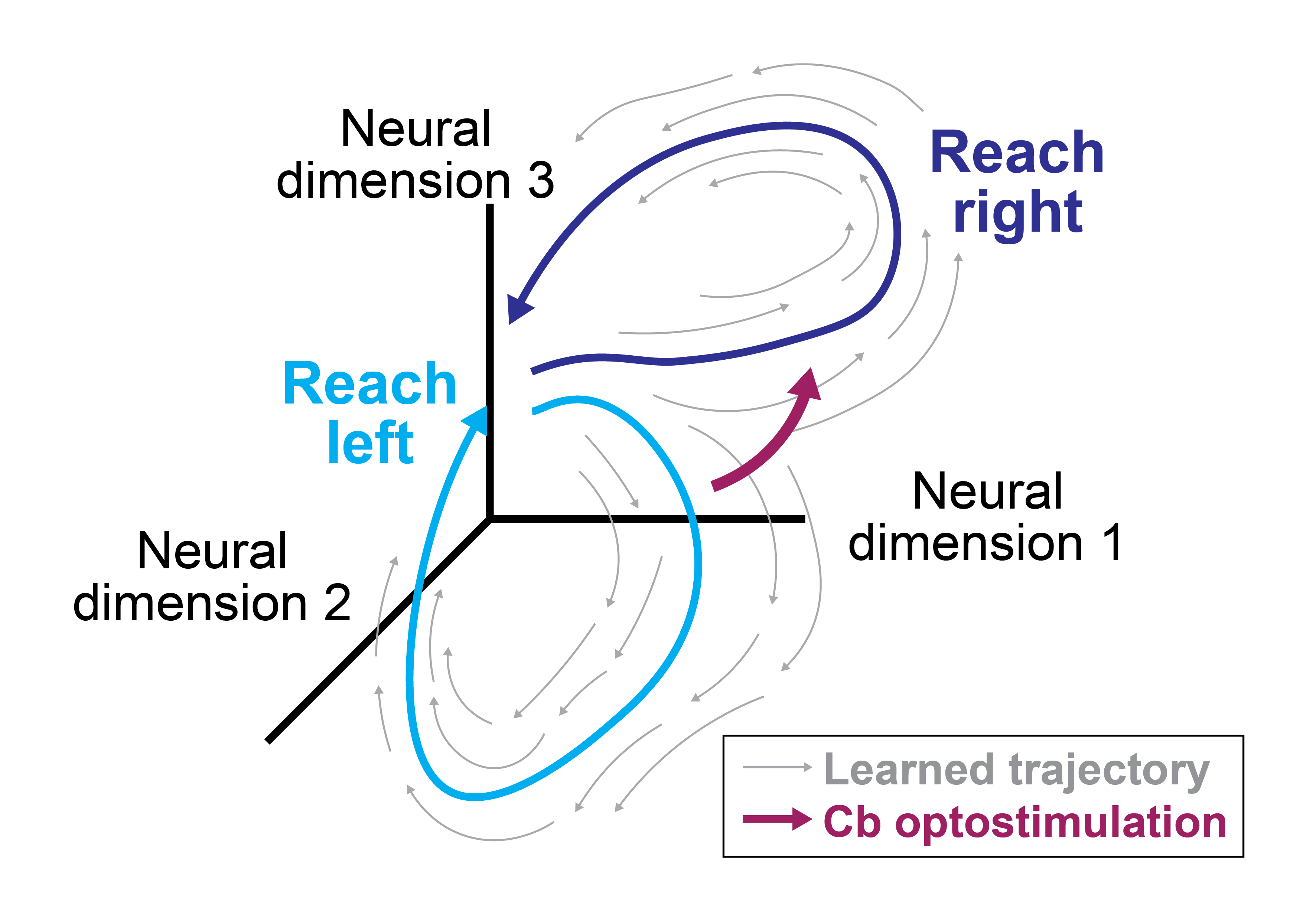
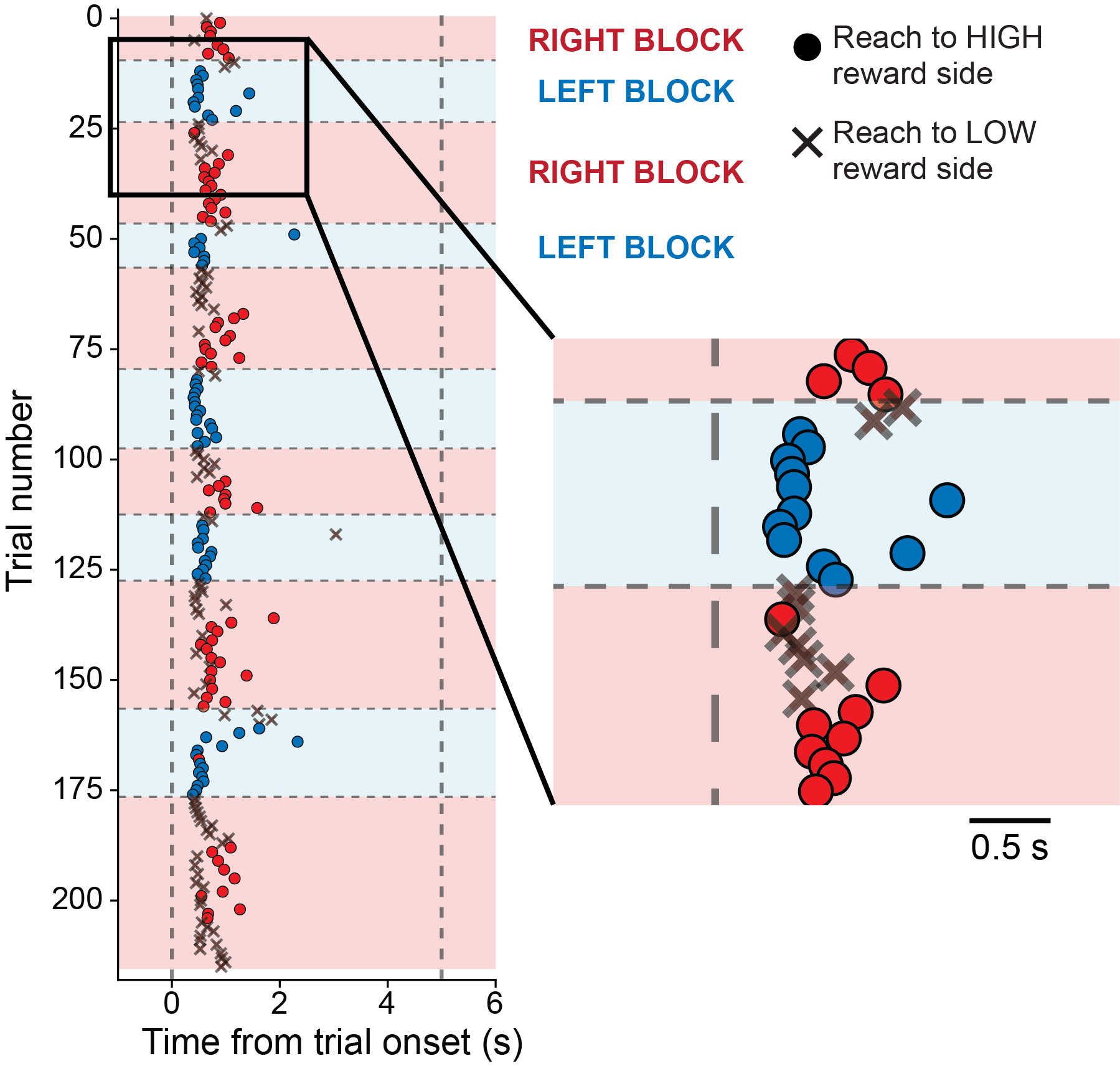
How does the output of the cerebellar influence activity patterns in the forebrain and ultimately affect behavioural execution? To answer this question, we employ multiregional recording and perturbation methods in mice performing goal-directed behaviours. Our aim is to identify causal relationships between the dynamics in the cerebellum, neocortex, and basal ganglia and relate these dynamics to behavioural execution. Our ultimate aim is to identify unifying features of the cerebellum's contributions to sensorimotor and cogntive behaviours.
Neuromodulation and cerebellar learning
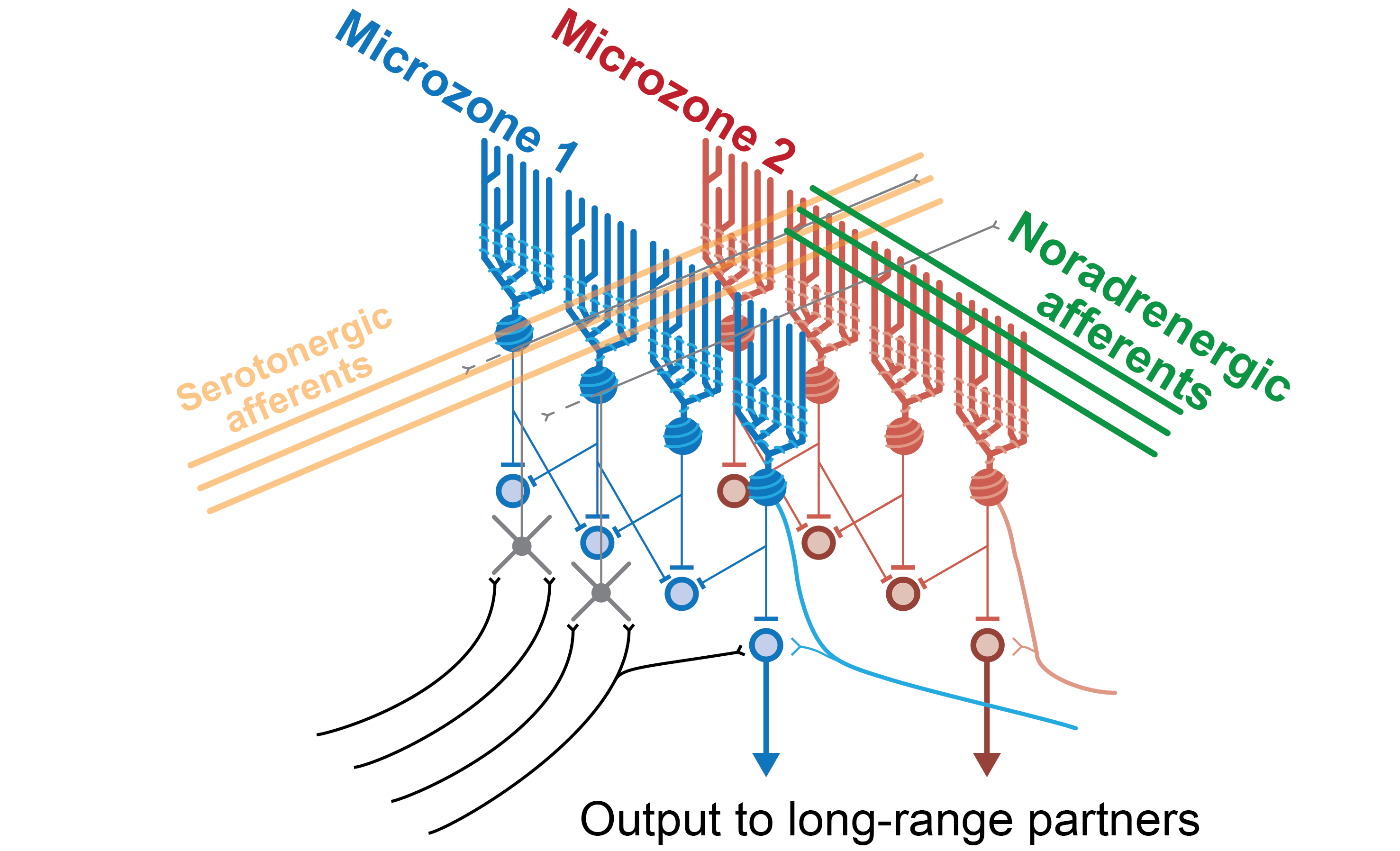
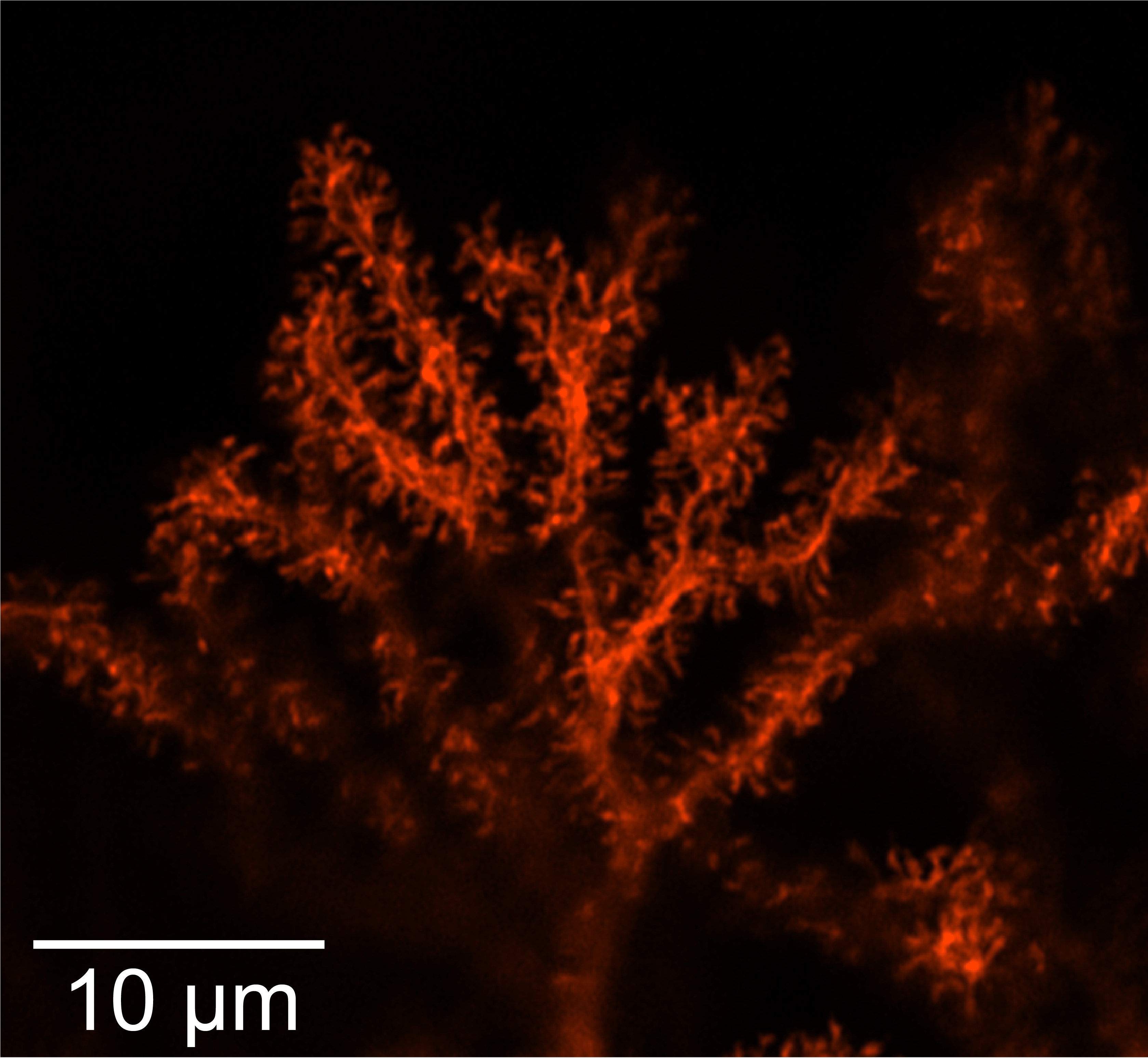
What are the mechanisms that determine when and how much we learn? Neuromodulatory inputs are known to be key regulatory of local circuit function that can shape behavioural output. In the cerebellum, the presence of neuromodulatory afferents has long been known, but the roles of these inputs in shaping cerebellar function remains poorly understood. We aim to determine the mechanistic relationship between neuromodulatory state, cerebellar plasticiy in vivo, and behavioural execution. We are tackling this problem using dual-color two-photon imaging of neuromodutory sensors and dendritic calcium signals in Purkinje cells as mice learn to perform adaptive behavioural tasks.
Circuit-level alterations in neurodevelopmental disorder models
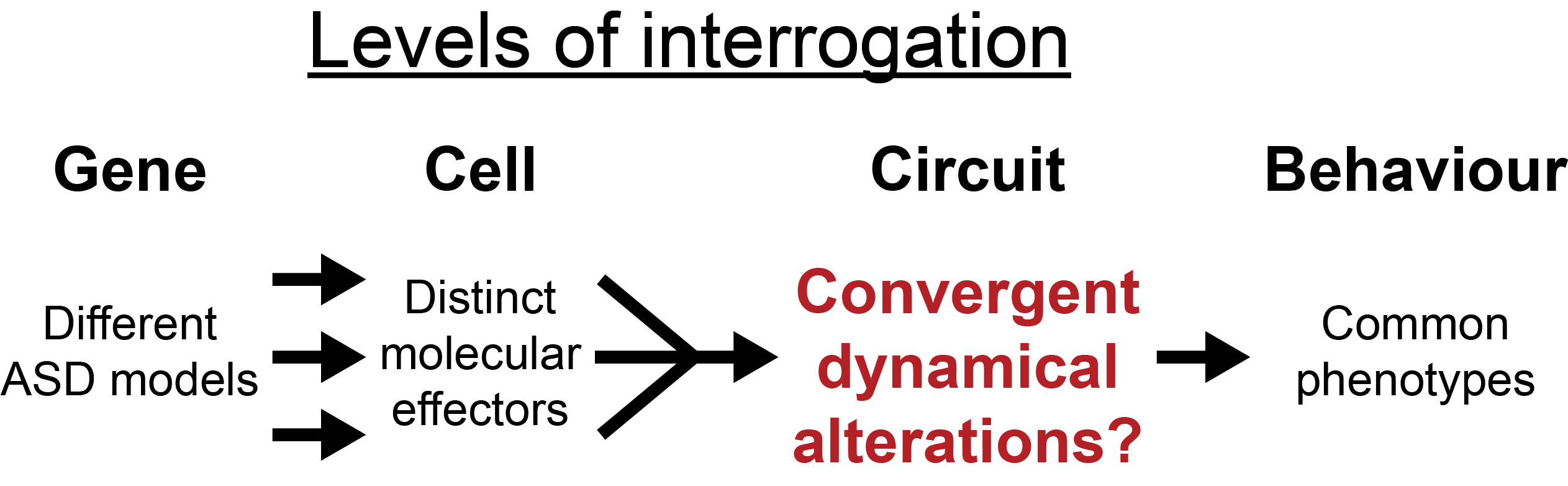
The proper assembly of long-range circuits during early development is critical for establishing multiregional dynamics, and alterations in circuit assembly are thought to underlie many forms of neurodevelopmental disorders including autism spectrum disorders (ASDs). These ASDs often arise from genetic mutations affecting molecular mechanisms, yet their pathological manifestations occur at the level of circuit dynamics and the brain-wide activity patterns driving behaviour. In particular, disruptions in long-range interactions between the cerebellum and cerebral cortex, interconnected brains regions critical for the execution of learned actions, are strongly linked to the behavioural deficits observed in ASDs. The goal of this project is to define common principles through which alterations in connectivity and function of long-range cerebello-cortical circuits underlie common behavioural alterations observed in different ASD models.
Tools, techniques, and approaches
Neuropixels probe recording in motor cortex
Recording by Subham Ganguly
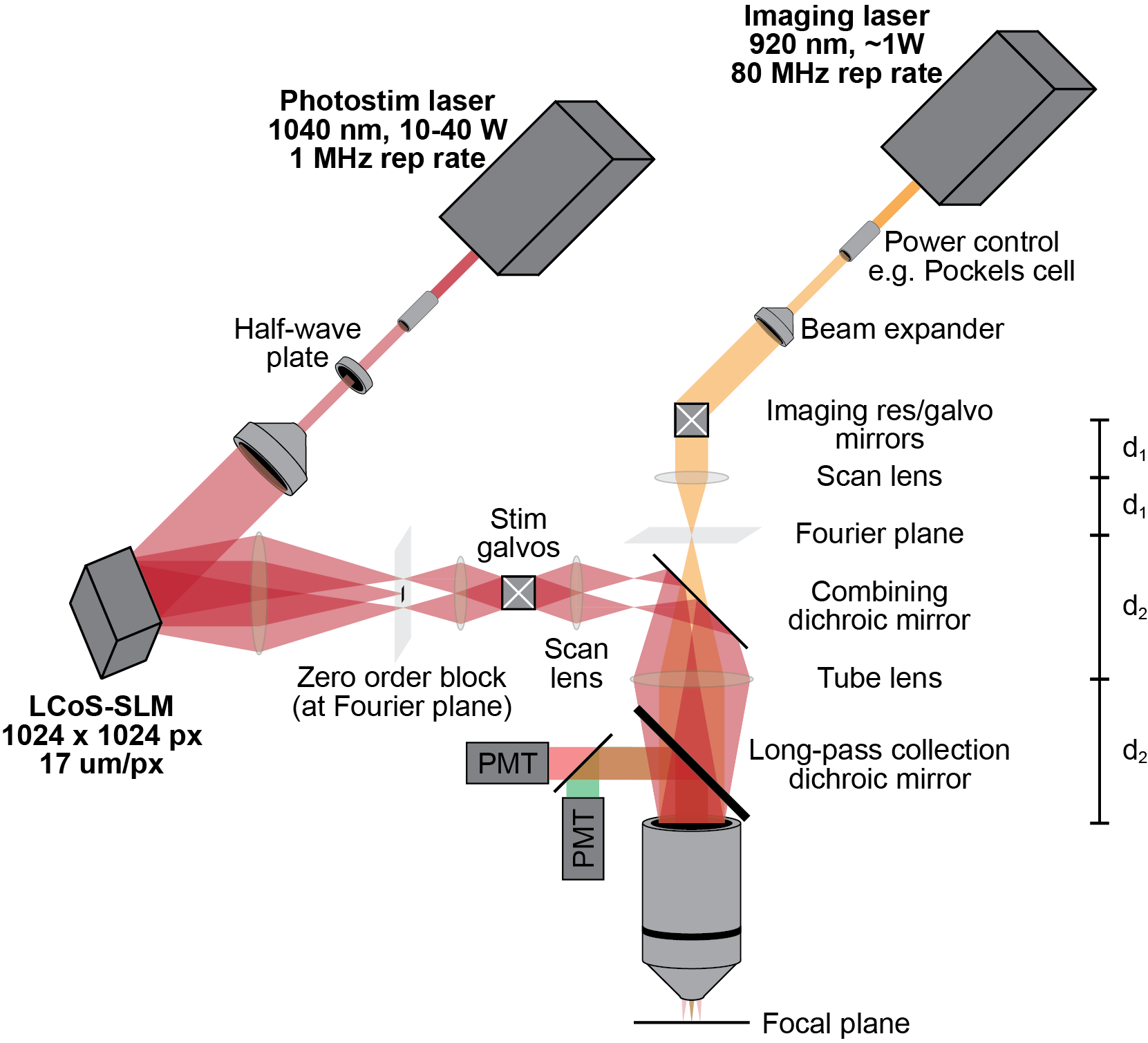
Dual-path two-photon imaging and holographic photostimulation microscope
Microzone-specific holographic photostimulation
Recording by Subham Ganguly
Computational modeling